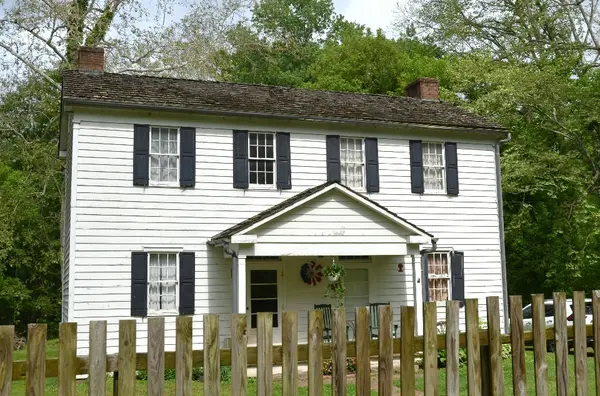
Historic Homes in Ohio: Neighborhoods Worth Exploring
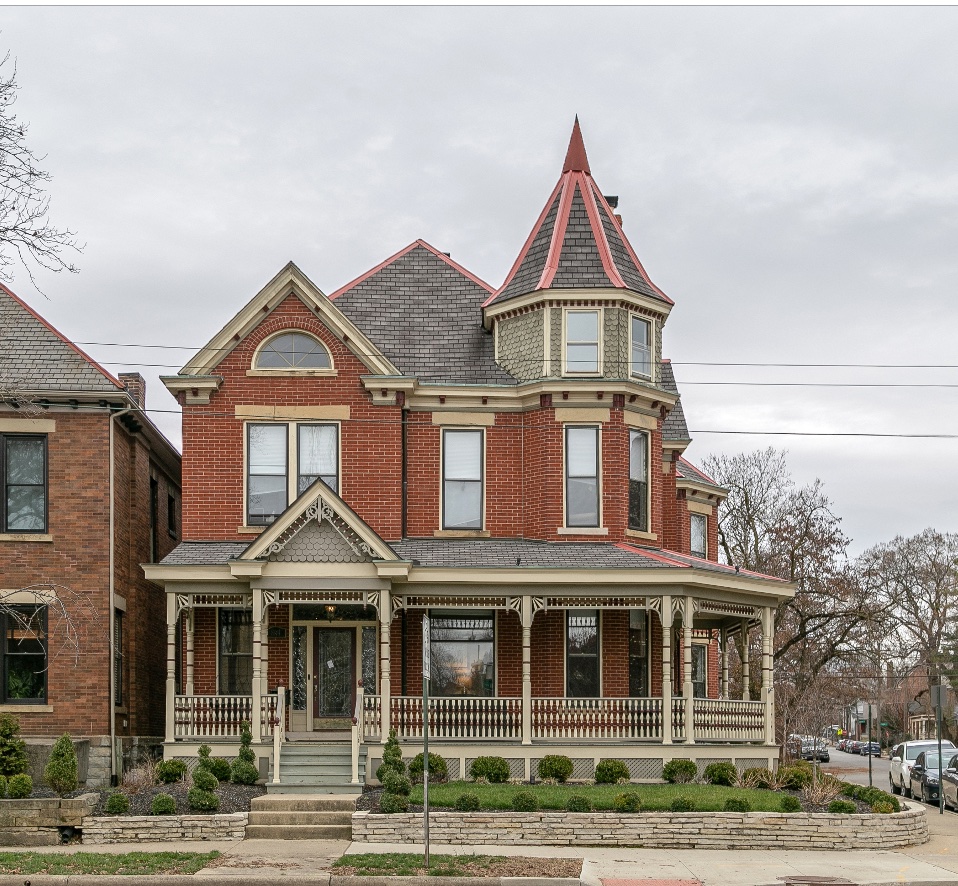 Historic Homes in Ohio: Neighborhoods To Explore
If you love original woodwork, front porches and homes that step back in time, Ohio gives you plenty of places to start your search. From German Village in Columbus to St. Anne’s Hill in Dayton, historic neighborhoods offer homes with a character all their own.
The appeal is easy to understand. The bigger question is whether the home fits your life, your budget and the work you are willing to take on.
In his recent Inman article, “Thankful for yesterday: The timeless appeal of historic homes,” Carl Medford shares the rewards and challenges of restoring an older property. His reflection inspired this look at Ohio neighborhoods where buyers can find historic character, along with practical questions to ask before making a purchase.
Where Should You Look for Historic Homes in Ohio?
Good starting points include German Village and Victorian Village in Columbus; Over-the-Rhine in Cincinnati; Oregon, St. Anne’s Hill and South Park in Dayton; and Ohio City and Cleveland Heights in Northeast Ohio. Troy and Springfield offer additional places to explore in the Miami Valley.
These are places to begin your search, not a ranking of investment returns or market competitiveness. Available homes, prices and renovation needs vary by property.
Columbus: German Village and Victorian Village
German Village
German Village’s brick streets and historic homes make it a distinctive part of Columbus. Italianate and Queen Anne architecture contribute to a neighborhood where the buildings themselves are part of the draw.
When touring, look beyond the exterior. Check parking, storage, stairways and room sizes. Think about where you would work, entertain and keep the things you use every day. A floor plan does not have to be open to work well, but it does need to work for you.
Victorian Village
Victorian Village is another starting point for buyers interested in older Columbus architecture. Its locally designated historic district has a commission that reviews qualifying exterior changes.
If your plans include replacing windows, changing a porch or building an addition, investigate the approval process before assuming the project is possible. Nearby Italian Village has its own historic district and review commission, so requirements should be checked by address.
Cincinnati: Over-the-Rhine and Older Neighborhood Homes
Over-the-Rhine offers a place to explore Cincinnati’s historic architecture, with a designated district and conservation guidelines that help shape how properties are maintained and changed.
Buyers should pay particular attention to what they would own and maintain. A condominium, a single-family house and a building with multiple units can have very different insurance needs, financing considerations and repair responsibilities.
For a broader search, consider older homes in neighborhoods such as Walnut Hills and Hyde Park. An older house is not automatically a designated historic property, and preservation requirements do not necessarily apply throughout an entire neighborhood.
Compare the details that affect daily life: outdoor space, parking, stairs, maintenance and the route to your regular destinations. The architecture may bring you through the door, but those details help determine whether you will enjoy living there.
Dayton: Oregon, St. Anne’s Hill and South Park
Dayton’s Oregon, St. Anne’s Hill and South Park historic districts give Miami Valley buyers several places to explore. Huffman and McPherson Town are also among the city’s locally designated districts.
St. Anne’s Hill sits east of downtown, between the Oregon and Huffman historic districts. Visit more than one area to compare streets, lot layouts and access to the places you want nearby.
When comparing homes, separate cosmetic updates from major improvements. Fresh paint and a remodeled kitchen do not tell you when the roof, electrical system or plumbing were last addressed. Ask for records and use inspections to understand the condition behind the finishes.
Dayton advises owners planning modifications in historic districts to contact the city’s preservation staff. If you already have renovation ideas, make that conversation part of your purchase planning.
Greater Cleveland: Ohio City and Cleveland Heights
Ohio City offers historic housing within Cleveland, while Cleveland Heights provides additional neighborhoods recognized for their architectural and historical significance.
These are separate municipalities with different review processes. Check a Cleveland property through Cleveland’s preservation resources and a Cleveland Heights property with that city.
During a tour, notice masonry, drainage, basement conditions and heating systems, then ask qualified inspectors or specialists to evaluate concerns. Original details can be worth preserving, but you will want to understand their condition and repair options before committing to the home.
Miami Valley Options: Troy and Springfield
Historic-home searches do not have to stop in Ohio’s largest cities. Troy has a historic overlay district near downtown, where the Planning Commission reviews alterations to properties within the district.
Springfield’s recognized areas include the South Fountain Preservation Area and East High Street District, providing additional starting points for buyers interested in older architecture.
Do not assume a lower purchase price means a less expensive project. Compare the house’s condition, the work required and the availability of contractors experienced with the materials involved.
How Do You Compare Two Historic Homes?
Two houses built in the same decade can present very different ownership costs. One may have updated systems and a documented maintenance history. Another may have beautiful finishes but substantial work still ahead.
Before deciding which is the better fit, compare:
- Immediate repairs versus improvements that can wait.
- Documented roof, electrical, plumbing and heating updates.
- Insurance availability and coverage estimates.
- Approval requirements for your planned changes.
- Parking, storage, stairs and usable living space.
- The money you will keep available after closing.
The goal is not to find a century-old house with nothing to maintain. It is to understand the responsibilities you are choosing along with the features you love.
What Should You Check Before Buying?
Confirm the Historic Status
An older home, a National Register property and a home in a locally regulated historic district are not the same thing. Ask which designations, ordinances or preservation easements apply to the exact property.
Arrange Appropriate Inspections
Start with a qualified home inspector and seek specialist evaluations when findings warrant them. Ask for permits, maintenance records and documentation of previous renovations.
Get Estimates for Your Actual Plans
Have contractors evaluate the work you intend to complete. Specialty materials, repair techniques and approval requirements may affect both the budget and the timeline.
Address Insurance and Environmental Questions Early
Request an insurance quote while you still have time to investigate concerns under your contract. For homes built before 1978, review applicable lead-based paint disclosures and discuss testing and renovation safety with qualified professionals. EPA recommends lead-safe certified contractors for relevant work in pre-1978 homes.
What Should Sellers of Historic Homes Highlight?
Help buyers appreciate the character and understand the upkeep. Identify original features accurately, explain significant improvements and organize available maintenance records, permits and warranties.
If work received preservation approval, keep that documentation available. Clear information can help buyers distinguish a thoughtfully maintained home from one that simply photographs well.
Pricing should reflect comparable sales, condition and location. Age or historic character alone does not guarantee a premium.
Frequently Asked Questions About Historic Homes in Ohio
Is every older home considered historic?
No. A home may have older architecture without a formal designation. Verify its status through local records rather than relying on a description in a listing.
Does historic designation prevent renovations?
Not automatically. National Register listing alone generally does not restrict a private owner’s work under federal law when no federal involvement applies. Local ordinances, preservation easements and other requirements may still govern changes. Confirm what applies to your property and project.
Can I replace windows in a historic district?
Possibly, but approval may be required. Ask the local preservation office about repair options, acceptable replacements and review requirements before ordering materials.
Are historic homes more expensive to maintain?
They can be, particularly when specialty materials or extensive repairs are involved. The property’s condition, previous updates and future work matter more than age alone.
Do historic homes hold their value better?
There is no universal guarantee. Purchase price, location, condition, maintenance and market demand all affect resale value.
Find a Home With Character and a Plan That Fits
A home does not need to be brand-new to feel like your next chapter. Sometimes the place that fits you already has a long story of its own.
Glasshouse Realty helps buyers and sellers across Ohio look at both the features that make a home special and the practical details of owning it. We can help you compare properties, understand the local market and identify questions for qualified specialists.
Connect with Glasshouse Realty about buying or selling a historic Ohio home.
The Difference Is Clear.
Sources and Further Reading
- Inman: “Thankful for yesterday: The timeless appeal of historic homes,” by Carl Medford
- Advisory Council on Historic Preservation: German Village
- City of Columbus: Historic Preservation and Design Review
- City of Cincinnati: Local Historic Designation
- City of Dayton: Historic Districts Information
- City of Cleveland: Landmarks Commission
- City of Cleveland Heights: Historic Neighborhoods
- City of Troy: Historic District
- City of Springfield: Historic Districts and Listed Properties
- National Park Service: National Register FAQs
- EPA: Lead-Safe Renovation Information
Published November 24, 2026. This article provides general information, not legal, engineering, environmental or financial advice. Verify property-specific requirements with the appropriate authorities and qualified professionals.
Categories
Recent Posts